

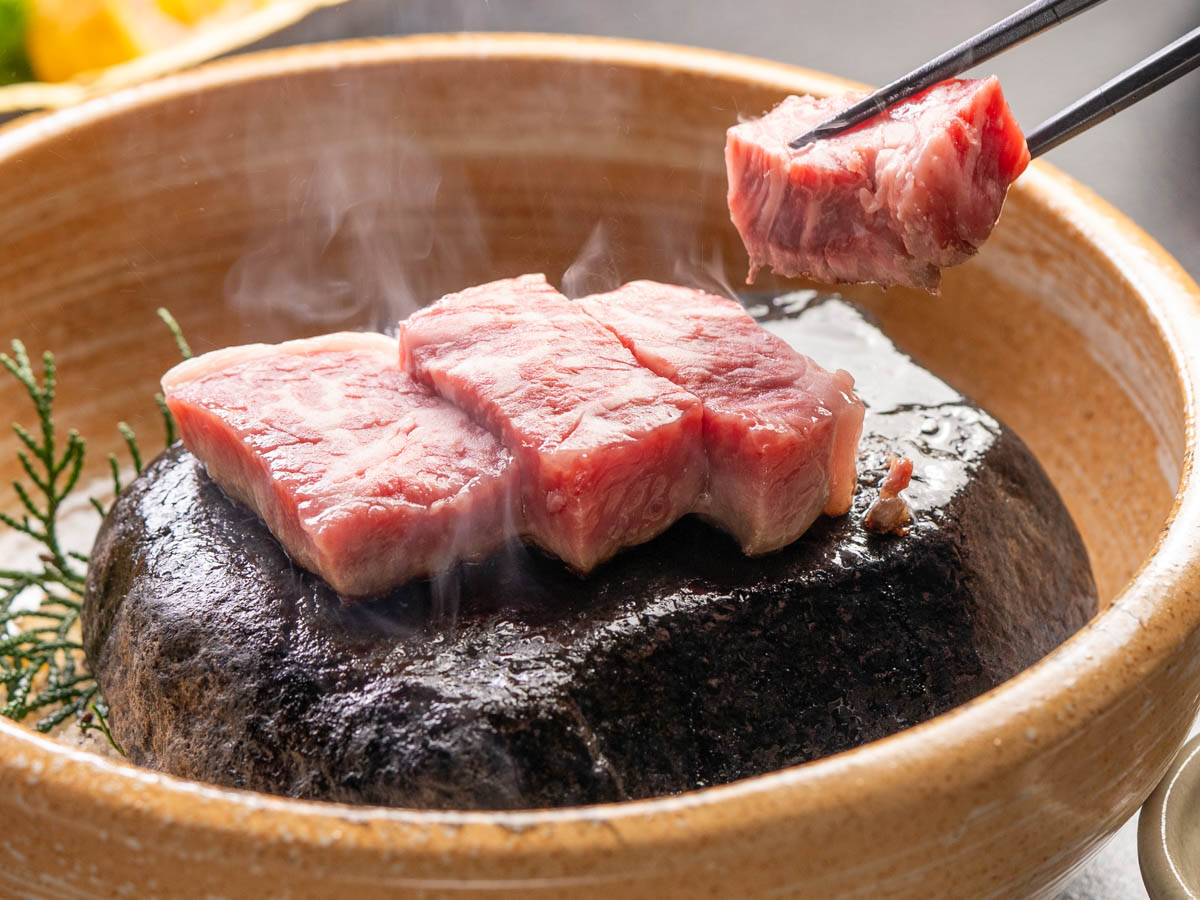
Japanese Wagyu beef has earned a prestigious reputation worldwide for its unparalleled quality, flavor, and texture. This exceptional type of beef comes from specific breeds of cattle native to Japan, primarily the Japanese Black breed, which is renowned for its intense marbling-the fine streaks of intramuscular fat that run through the meat. It is this marbling that sets Wagyu apart from other types of beef, giving it a rich buttery taste and melt-in-the-mouth tenderness that few other meats can match.
The meticulous breeding and raising practices in Japan contribute significantly to the unique characteristics of Wagyu beef. Farmers follow strict guidelines regarding cattle care, including diet control and stress reduction techniques. The cattle are often fed specialized grain-based diets supplemented with natural ingredients such as rice straw and barley over an extended period-sometimes up to 600 days-to promote optimal fat distribution within the muscle fibers. Additionally, farmers employ gentle handling methods to minimize stress on the animals since stress negatively affects meat quality.
Another factor contributing to Wagyu’s fame is Japan’s grading system for beef quality, which evaluates both yield and meat quality grades. The highest grade achievable is A5-a designation reserved for beef exhibiting exceptional marbling (intramuscular fat), color, texture, firmness, and overall appearance. Only a small percentage of Wagyu meets these stringent standards each year; hence true A5-grade Wagyu commands premium prices worldwide.
Beyond its physical attributes lies a cultural significance deeply embedded in Japanese tradition. Historically considered a delicacy enjoyed by nobility or during special occasions, Wagyu represents craftsmanship passed down through generations of farmers dedicated to perfecting their breed. This heritage adds an element of exclusivity and respect toward the product itself.
Internationally recognized chefs prize japanese wagyu for elevating culinary experiences due to its versatility in various cooking methods-from simple grilling or searing to high-end dishes like sushi or shabu-shabu hot pot preparations. When cooked properly at lower temperatures compared to conventional steaks because of its high-fat content, it produces an exquisite umami flavor profile unmatched by other types of beef.
In recent years, global demand has surged as consumers seek out luxury food items that offer not only superior taste but also provenance transparency-knowing exactly where their food originates enhances appreciation further. While authentic Japanese Wagyu remains relatively rare outside Japan due partly to export restrictions aimed at preserving domestic supply chains; many countries have started breeding their own versions inspired by traditional methods though purists argue nothing quite replicates the original’s delicate balance between genetics and environment.
Ultimately, Japanese Wagyu’s worldwide fame stems from a combination of genetic uniqueness, rigorous farming practices emphasizing animal welfare and diet precision; strict grading systems guaranteeing consistent excellence; deep cultural roots symbolizing dedication; plus extraordinary sensory qualities making every bite memorable. For those fortunate enough to indulge in genuine Japanese Wagyu beef experience-it truly represents one pinnacle achievement within global gastronomy deserving all acclaim it receives internationally today.